You have seen the numbers before, but the one that still catches people out is this: the average session on a themed slot runs about eleven minutes longer than a plain fruit machine. That is not a marketing line, it is a behaviour pattern that shows up in session logs across several platforms, and it matters because time on device is only useful if the machine actually matches what you came for. If you have ever sat through a lobby of identical reels while the pub down the road in Civic is serving a perfectly good schooner, you already know the difference between a theme that holds your attention and one that just fills a grid. The phrase personalised pokies theme online Australia gets thrown around by operators who want you to think every lobby is bespoke, when most of the time you are just picking from a palette someone else built.
Most experienced punters know the drill by now, which is exactly why the question keeps coming back in forums and group chats: does a theme actually change the feel of the game, or is it just a skin over the same maths? The honest answer sits somewhere in the middle, and it depends on what you mean by feel. A well-matched theme can make a bonus round read faster, because the symbols and sound cues line up with the mechanic instead of fighting it, but it does not rewrite the return-to-player model underneath. If you are the sort of player who reads the paytable before you press spin, you will notice that a themed reel set can make a scatter trigger or a free-spin counter easier to track visually, and that is a real advantage for anyone who likes to watch the board rather than just mash the button.
The practical side is where the conversation usually gets messy, because a theme that looks good on a phone in a Queanbeyan bedroom at ten at night is not necessarily the same thing as one that holds up when your connection drops to a crawl on a regional train line. Internet quality in the outer suburbs and the regional corridors around Canberra can turn a slick animated lobby into a stuttering mess, and that is where a lot of players quietly walk away from a site they otherwise liked. A theme that relies on heavy vector art and constant motion will feel fine on a solid fibre connection, but it will grind to a halt on a dodgy mobile link, and you will end up clicking through menus you did not ask for just to get back to the reels. If you are playing on the go, a lighter theme with fewer moving parts is often the better call, not because it pays more, but because it stays usable when the network does not.
You can treat a themed lobby the way a lawyer treats a contract: read the terms, check the definitions, and do not assume the headline promise is the whole document. The first thing worth checking is whether the theme changes the game mechanics at all, or whether it is purely cosmetic, because that distinction tells you whether you are paying for a look or for a function. A cosmetic theme might dress up the symbols and the background, but the volatility, the hit frequency and the bonus structure stay where the provider put them, and that is the part that actually matters to your bankroll over a long session. If a site claims a theme gives you a different experience, ask yourself whether it means a different visual layer or a different set of rules, because those are not the same thing and the wording matters.
The second check is the one most players skip, which is whether the theme you like actually loads cleanly on the device you use most. If you are on a phone with a cracked screen and a variable connection, a theme that looks sharp on a desktop monitor can become a frustrating blur, and that is the moment when a lot of people start clicking around the lobby instead of playing the game they came for. A practical test is to open the game on your usual device, let it sit for a minute with the lobby running, and see whether the animations stay smooth or whether the symbols start to lag when you scroll. If the theme is heavy enough to slow your own device, it is heavy enough to cost you time, and time is the one resource you do not get back on a spinning reel.
The third check is the one that separates a theme you will actually enjoy from one you will tolerate for a week and then forget. Think about the symbols and the bonus cues rather than the artwork alone, because a theme that matches your sense of humour or your interests will read faster on the board, and a theme that does not will feel like work every time the free spins come up. If you are the sort of player who likes a clear scatter counter and a bonus meter you can read at a glance, pick a theme where those elements are visually distinct rather than buried in decoration, because that is the difference between a theme that helps you play and one that just looks busy.
Match the Theme to the Game Mechanics
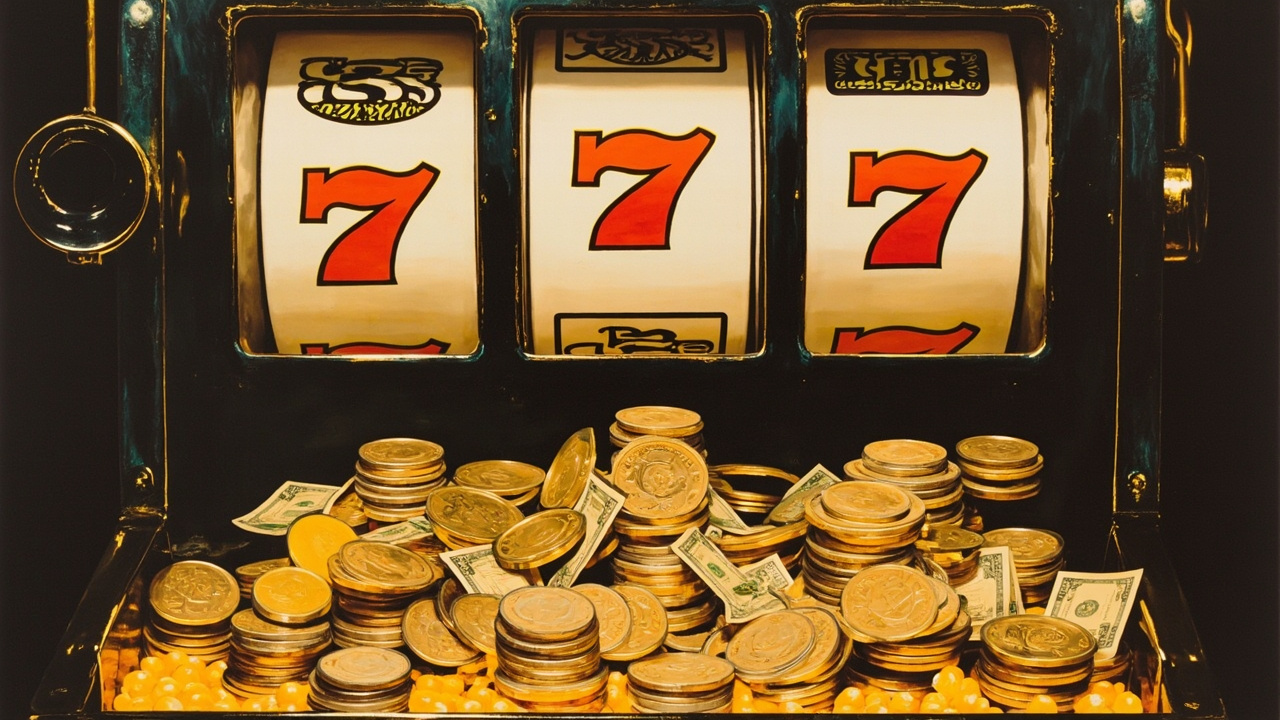
A theme that suits your eye is only useful if it also suits the mechanic underneath, and that is where a lot of players get led astray by a lobby that looks impressive but plays the same as everything else. The safest way to judge a themed game is to open the paytable first and look for the parts that actually change how the round behaves, because those are the parts that a theme can either clarify or obscure. If the bonus trigger is a specific symbol set, a theme that makes those symbols visually distinct is doing you a favour, and a theme that blends them into the background is making you work harder for the same information. The rule of thumb is simple: if the theme helps you read the board faster, it is earning its place; if it just adds noise, it is decoration.
A second thing worth checking is whether the theme changes the way the bonus round presents itself, because that is where a lot of the visual promise either lands or falls flat. A free-spin round with a clear counter and a distinct backdrop is easier to follow than one where the symbols and the background all shift together, and that matters more than it sounds when you are several spins in and you want to know where you stand. If you are playing a game where the bonus build-up matters, pick a theme where the progress is visible on the screen rather than tucked into a corner, because that is the difference between a theme that supports the mechanic and one that just dresses it up. Walkley
Check the Lobby Load on Your Own Device
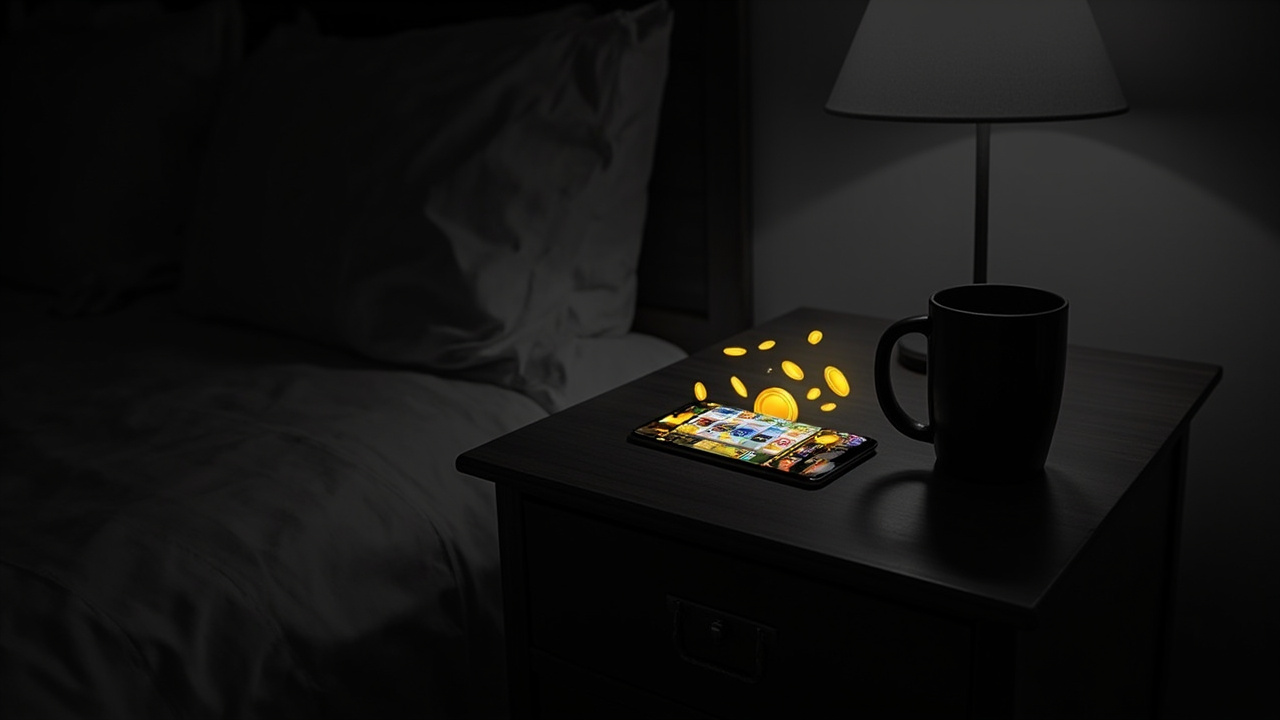
The device you use matters more than the artwork on the reel, because a theme that looks crisp on a desktop can become a sluggish mess on a phone with a weak connection. If you are in a spot where the mobile signal is unreliable, say on a train heading toward Tharwa or sitting in a car park outside a regional venue, a heavy theme will cost you time and patience before you even get to the first spin. A practical way to test this is to load the game on your usual device, leave the lobby open for a minute, and watch whether the animations stay smooth or whether the symbols start to lag when you scroll through the menu. If the theme is heavy enough to slow your own device, it is heavy enough to cost you time, and time is the one resource you do not get back on a spinning reel.
A second thing to watch is whether the theme stays usable when you switch between portrait and landscape, because a lot of themed lobbies are built for one orientation and then look awkward in the other. If you play on a phone that you rotate depending on where you are sitting, pick a theme that keeps the paytable and the spin button readable in both positions, because that is the difference between a theme that fits your habits and one that forces you to adjust. The point is not to find the prettiest lobby, it is to find one that stays readable when your circumstances change, and that is a much more useful test than a screenshot on a fast connection. https://dragonlinkau.net/ Crownresorts
Separate Cosmetic Themes from Real Changes
A theme that changes the look of the symbols is not the same thing as a theme that changes the way the game behaves, and the distinction matters because a lot of marketing language blurs the two. If you are comparing two versions of the same game, one with a themed reel set and one with a plain set, the first thing to check is whether the paytable, the volatility and the bonus structure are actually different, or whether the only change is the artwork around the numbers. A cosmetic theme can be perfectly fine if you like the look, but it is not a reason to switch games if the mechanics underneath are the same, and that is the part most players miss when they are chasing a theme that looks good in a screenshot.
A practical way to sort this out is to read the game information before you commit any money, because the paytable and the help section will usually tell you whether the theme is purely visual or whether it comes with a different set of rules. If the theme is cosmetic, you are choosing a look; if the theme comes with a different bonus structure or a different symbol set, you are choosing a different game, and those are not the same decision. The honest approach is to treat the theme as one factor among several, not as the whole reason to play, because that is the only way to keep the look and the maths in the right proportion.
Read the Bonus Terms Before You Chase a Theme
A theme can make a bonus round feel more engaging, but it does not change the terms that govern how that bonus is paid, and that is where a lot of players get caught out by language that sounds generous but is actually narrow. If you are looking at a site that offers a themed promotion, the first thing to check is whether the bonus applies to the themed game specifically or to the lobby as a whole, because those are not the same thing and the wording matters. A bonus that is tied to a specific theme might be fun if you like that theme, but it is not a reason to play a game you would otherwise skip, and that is the distinction most people miss when they are reading a promotion that sounds too neat to be true.
A second thing to check is the wagering condition attached to any bonus, because a theme that looks appealing on the surface can sit underneath a set of terms that make the bonus harder to use than it first appears. If you are comparing two sites, look at the turnover requirement and the game contribution rate rather than the headline offer, because those are the parts that actually determine whether the bonus is usable in practice. The practical test is to read the terms before you deposit, not after, because once you have committed the money the terms are the only thing that matters, and a theme is just the packaging around them.
Pick a Theme That Reads Fast on the Board
A theme that looks good in a brochure is not always the one that reads well when you are watching the board during a bonus round, and that is where a lot of players quietly lose interest in a game they otherwise liked. The useful test is to watch how the symbols and the bonus cues behave when the round is active, because a theme that keeps those elements visually distinct will let you track the progress without squinting at the screen. If you are the sort of player who likes a clear scatter counter and a bonus meter you can read at a glance, pick a theme where those elements stand out rather than blend into the decoration, because that is the difference between a theme that helps you play and one that just looks busy.
A second thing worth watching is whether the theme uses sound cues that match the visual cues, because a round where the audio and the symbols are out of step can make a bonus feel confusing even when the maths is straightforward. If you play with the sound on, pick a theme where the audio signals are clear and consistent, because that is the part that helps you read the round without having to stare at every symbol. The point is not to find a theme that sounds impressive in a trailer, it is to find one that stays readable when you are actually playing, and that is a much more useful test than a polished screenshot.
Test the Theme on a Shared Connection Before Committing
A theme that runs fine on your own fibre line can behave very differently on a shared connection, and that is the kind of thing that matters if you are playing in a household where several devices are pulling bandwidth at once. If you are in a Canberra apartment where the router is doing its best to keep up with a few phones, a laptop and a streaming stick, a heavy themed lobby can start to stutter at the worst possible moment, and that is when a lot of players quietly walk away from a site they otherwise liked. A practical test is to load the game on your usual device while something else is using the connection, and see whether the animations stay smooth or whether the symbols start to lag when you scroll through the menu. If the theme is heavy enough to slow your own device on a busy connection, it is heavy enough to cost you time, and time is the one resource you do not get back on a spinning reel.
A second thing to watch is whether the theme stays usable when you switch between devices, because a lot of themed lobbies are built for one screen size and then look awkward on another. If you play on a phone during the week and a laptop at the weekend, pick a theme that keeps the paytable and the spin button readable on both, because that is the difference between a theme that fits your habits and one that forces you to adjust. The point is not to find the prettiest lobby, it is to find one that stays readable when your circumstances change, and that is a much more useful test than a screenshot on a fast connection.
Know When a Theme Is Just a Skin
A theme that changes the look of the symbols is not the same thing as a theme that changes the way the game behaves, and the distinction matters because a lot of marketing language blurs the two. If you are comparing two versions of the same game, one with a themed reel set and one with a plain set, the first thing to check is whether the paytable, the volatility and the bonus structure are actually different, or whether the only change is the artwork around the numbers. A cosmetic theme can be perfectly fine if you like the look, but it is not a reason to switch games if the mechanics underneath are the same, and that is the part most players miss when they are chasing a theme that looks good in a screenshot.
A practical way to sort this out is to read the game information before you commit any money, because the paytable and the help section will usually tell you whether the theme is purely visual or whether it comes with a different set of rules. If the theme is cosmetic, you are choosing a look; if the theme comes with a different bonus structure or a different symbol set, you are choosing a different game, and those are not the same decision. The honest approach is to treat the theme as one factor among several, not as the whole reason to play, because that is the only way to keep the look and the maths in the right proportion.
Check the Fine Print on Themed Promotions
A theme can make a bonus round feel more engaging, but it does not change the terms that govern how that bonus is paid, and that is where a lot of players get caught out by language that sounds generous but is actually narrow. If you are looking at a site that offers a themed promotion, the first thing to check is whether the bonus applies to the themed game specifically or to the lobby as a whole, because those are not the same thing and the wording matters. A bonus that is tied to a specific theme might be fun if you like that theme, but it is not a reason to play a game you would otherwise skip, and that is the distinction most people miss when they are reading a promotion that sounds too neat to be true.
A second thing to check is the wagering condition attached to any bonus, because a theme that looks appealing on the surface can sit underneath a set of terms that make the bonus harder to use than it first appears. If you are comparing two sites, look at the turnover requirement and the game contribution rate rather than the headline offer, because those are the parts that actually determine whether the bonus is usable in practice. The practical test is to read the terms before you deposit, not after, because once you have committed the money the terms are the only thing that matters, and a theme is just the packaging around them.
How to Judge a Themed Pokies Lobby in Five Steps
- Open the paytable first and check whether the theme changes the mechanics or just the artwork, because that tells you whether you are choosing a look or a different game.
- Load the game on your usual device and leave the lobby running for a minute to see whether the animations stay smooth or whether the symbols start to lag when you scroll.
- Watch a bonus round from start to finish and note whether the scatter counter and the bonus meter are visually distinct, because that is the part that helps you read the round without squinting.
- Read the promotion terms before you deposit and check whether the bonus applies to the themed game specifically or to the lobby as a whole, because those are not the same thing.
- Test the theme on a shared connection if you play at home, because a heavy lobby that runs fine on your own line can stutter when several devices are pulling bandwidth at once.
A Myth About Themes and Payouts
There is a persistent idea that a themed game pays differently because the artwork is different, and that is the kind of claim that sounds plausible until you look at the actual structure underneath. The theme can change how the bonus round feels, because a clear visual layout makes the symbols and the cues easier to track, but it does not rewrite the return model or the volatility that the provider built into the game. If you are the sort of player who likes to watch the board rather than just press spin, a theme that helps you read the round faster is doing you a real favour, but it is not changing the maths, and that is the distinction most people miss when they are chasing a theme that looks good in a screenshot.
The honest way to think about it is to treat the theme as a layer on top of the game, not as the game itself, because that is the only way to keep the look and the mechanics in the right proportion. A theme that suits your eye and reads well on your device is worth choosing, but it is not a reason to ignore the paytable or the terms, and that is the part most players miss when they are comparing two lobbies that look different but play the same.
When the Theme Fits the Session You Actually Want
The best theme is the one that fits the session you actually want, not the one that looks best in a promotion, and that is a much more useful way to think about it than chasing a look that sounds impressive in a brochure. If you are playing for a short session on a phone with a variable connection, a lighter theme with fewer moving parts is often the better call, not because it pays more, but because it stays usable when the network does not. If you are playing a longer session on a stable connection, a theme with more visual detail can be fine, provided it still reads clearly on the board and does not slow your device when you scroll through the lobby.
The practical test is to match the theme to the conditions you actually play in, because a theme that suits a fast fibre line in a Civic apartment is not necessarily the one that suits a mobile connection on a regional train line. If you are the sort of player who likes a clear scatter counter and a bonus meter you can read at a glance, pick a theme where those elements stand out rather than blend into the decoration, because that is the difference between a theme that helps you play and one that just looks busy. The point is not to find the prettiest lobby, it is to find one that stays readable when your circumstances change, and that is a much more useful test than a polished screenshot.
You will know you have picked the right theme when the lobby loads without fuss, the symbols read clearly on the board, and the bonus cues stay visible when the round is active, because those are the parts that actually matter once the session is underway. The numbers that matter are the ones you can check before you commit any money, and the look is only useful if it helps you play rather than just filling a grid. If you are the sort of player who reads the paytable before you press spin, you will notice that a themed reel set can make a scatter trigger or a free-spin counter easier to track visually, and that is a real advantage for anyone who likes to watch the board rather than just mash the button. The rest is packaging, and packaging is only worth keeping if it earns its place on the board.